Care at NUH

Division of Neurology

2026/07/11

As an academic tertiary unit, we integrate clinical care with undergraduate and postgraduate education and research programmes. Our clinical work is organised into two main areas: 

  1. Cerebrovascula Diseases and Stroke
  2. General Neurology 
    • Neuromuscular Disorders 
    • Headache Disorders 
    • Epilepsy 
    • Neuroimmunology 
    • Movement Disorders
    • Cognitive and Behavioural Neurology

Additionally, our Neurology Diagnostic Laboratory provides a comprehensive range of specialised diagnostic electrophysiology services to support the diagnosis and treatment of neurological conditions. 

Our Services: Neurology

We provide comprehensive neurology services for both inpatients and outpatient. Our care extends to patients hospitalised under the Neurology Inpatient Service, including the operation of a Neurology High Dependency Unit. We also provide specialist neurology consultations for inpatients from other disciplines. For stroke patients, we offer acute thrombolytic and endovascular therapy.

Our outpatient service caters to patients referred by general practitioners and other specialists for various neurological conditions. The outpatient service includes the following sub-specialty clinics:

Stroke Clinic

We offer follow-up care for stroke patients and work with primary care physicians to manage stroke and cardiovascular risk factors.

Atrial Fibrillation and Stroke Clinic

This clinic focuses on patients who have experienced a stroke secondary to atrial fibrillation.

Return to Work Clinic (Stroke)
A specialised multidisciplinary clinic that supports stroke survivors in safely and effectively returning to work through functional assessment, rehabilitation, and workplace integration.

Young Stroke Clinic
Cares for younger adults who have had a stroke, using a precision medicine approach to identify diverse and genetic causes and reduce future stroke risk.

Neuroimmunology Clinic

Patients with autoimmune neurological conditions, such as multiple sclerosis, neuromyelitis optica, transverse myelitis and autoimmune encephalitis, are seen here.

Peripheral Nerve Surgery Clinic

A multidisciplinary service providing advanced clinical care for complex peripheral nerve disorders. The clinic involves team members from the Division of Neurology and the Department of Hand and Reconstructive Microsurgery.

This clinic addresses a wide range of peripheral nerve issues, including brachial plexus injury, other nerve traumas, nerve entrapments (such as Carpal Tunnel Syndrome, Ulnar Neuropathy, Meralgia Paresthetica, Tarsal Tunnel and Radial Neuropathy) and inflammatory or tumour-related conditions (e.g., Morton Neuroma, Schwannoma).

Supporting the clinical team are diagnostic tools like high-resolution ultrasonography and MRI, combined with neurophysiological examination techniques (nerve conduction, electromyography (EMG), evoked potentials and autonomic/small nerve fibre tests).

Autonomic Disorders/Small Fibre Neuropathy clinic

Cares for patients with autonomic disorders and small fibre neuropathy, offering targeted evaluation and personalised management of symptoms such as pain.

Movement Disorders Clinic

We offer comprehensive care to patients with movement disorders. This includes Botulinum injections for dystonia or contractures, and holistic care for Parkinson’s Disease patients by an Advanced Practice Nurse.

Headache Services

Our specialist outpatient care encompasses various headache and facial pain disorders, such as migraines, tension-type headaches, trigeminal autonomic cephalalgias (e.g., cluster headaches), hemincrania continua, hypnic headaches, trigeminal neuralgia, and more. An inpatient service is available for patients with intractable headaches.

Seizure/Epilepsy Clinic

We provide expert diagnosis and medical management for seizure disorders, aiming to optimise seizure control.

University Brain Health Unit (UBHU)
Provides multidisciplinary care for patients with cognitive symptoms such as memory loss, including assessment and management of conditions like mild cognitive impairment, Alzheimer’s disease, vascular dementia, frontotemporal dementia, and dementia with Lewy bodies.

Neuromuscular Disorders Clinic – Nerve and Muscle Programme

Our clinics, run by physicians specialising in neuromuscular diseases, caters to patients with nerve or muscle disorders. Symptoms of these disorders may include weakness, cramps, numbness and pain.

Conditions treated include neuropathies, myopathies, neuromuscular junction disorders, motor neuron disease and spinal cord disorders. Comprehensive electrodiagnostic services and peripheral nerve ultrasound are at the Neurodiagnostic Laboratory.

Management often involves multiple disciplines. We strive to provide optimal care by integrating various resources.

Our Services

  • Neuromuscular Clinic
  • Peripheral Nerve Surgery Clinic
  • Electrodiagnosis for nerve and muscle dysfunction
  • Autonomic and small fibre neuropathy
  • Neuromuscular case discussion/multidisciplinary round

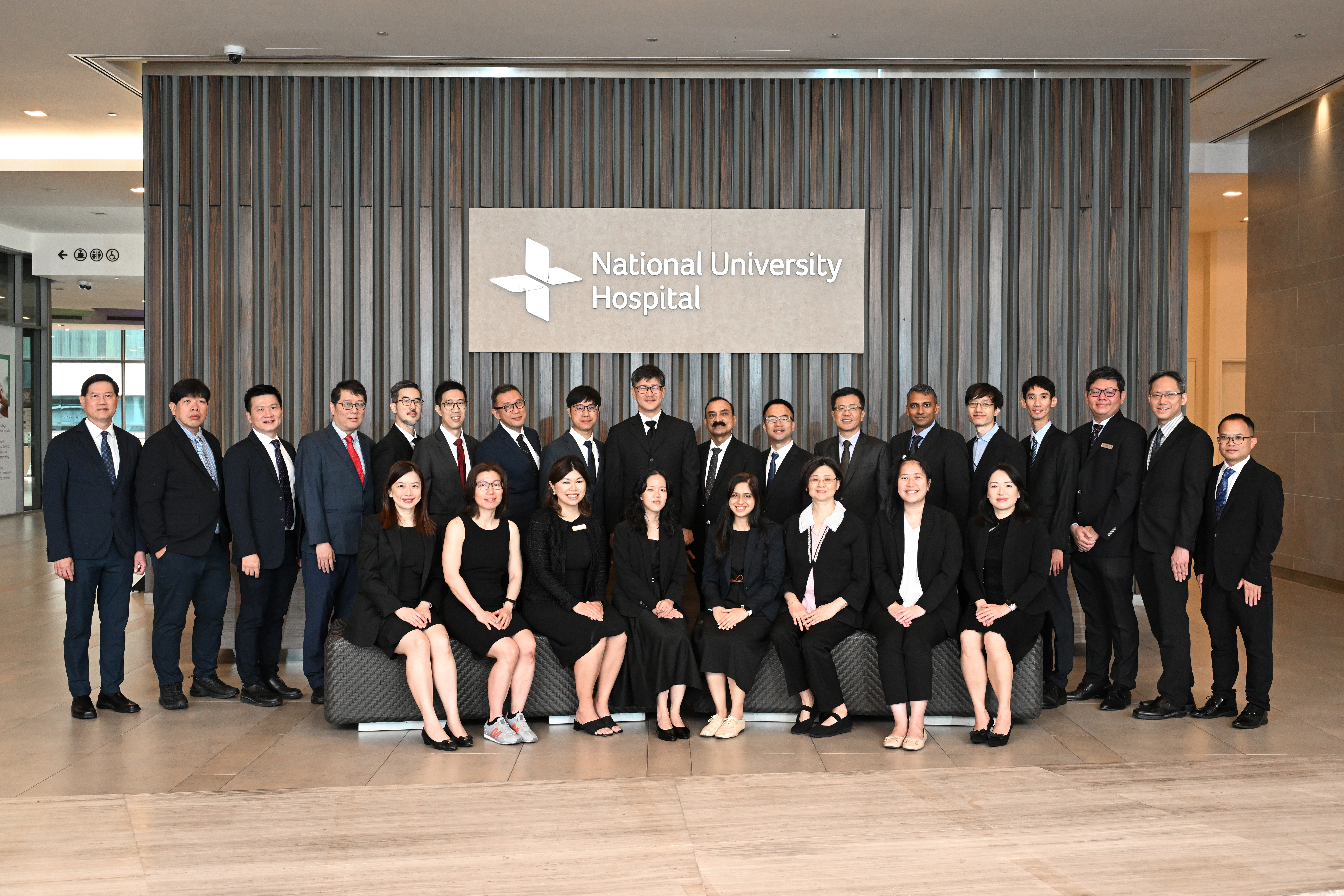
Our Specialists

Programme Co-Directors

Clinical Director, Neurodiagnostic (NDL) Services

  • Dr Quak Zhi Xuan

Section Lead, Autonomic and Small Fibre Neuropathy

Team Members

Neurodiagnostic Laboratory

Provides specialised diagnostic testing to support accurate evaluation of neurological disorders, including:
Nerve conduction studies 
Electromyography (EMG), including single fiber EMG 
Somatosensory evoked potentials (SSEP) 
Nerve ultrasound studies
Autonomic function studies (including tilt table testing, QSART, and thermoregulatory sweat testing) 
Electroencephalography (EEG) 
Transcranial Doppler (TCD) 
Carotid Doppler ultrasound (ECD) 


Back to Top

Our Facilities

Inpatient services  

Ward 57 (Neurology Ward) 
The Neurology Ward, catering to adult patients, specialises in the care and treatment of those with stroke and neurological conditions. 

The unit comprises highly trained specialists, nurses and allied health professionals committed to delivering compassionate, multidisciplinary and quality care for a range of neurological conditions. 

The unit is committed to providing comprehensive assessments, holistic treatments, as well as academic and research excellence. 

Facilities include: 

  • 38 general neurology beds (six-bed wards) 
  • A six-bed Neurological High-Dependency Unit for close monitoring and early intervention in patients with unstable neurological conditions, including thrombolysis and endovascular therapy for suitable stroke patients. 
  • Rehabilitation facilities to help patients maximise their potential and recovery 

Neuroscience Clinic 
Our clinics described above are housed within the Neuroscience Clinic located at Kent Ridge Wing, Level 4.

Patient Education

​For patient information on Headache Disorders, please click  here. 

Our Education

The Division of Neurology is actively involved in both undergraduate teaching and postgraduate training, encompassing internal medicine residents and senior residents in neurology. 

Current programmes available: 

Neurology 
  • Senior Residency  
  • Honorary Fellowships in: 
  • Stroke and Cerebrovascular Diseases
  • Neurosonology 
  • Fellowship in Laboratory and Clinical Nerve Diagnostics (Neuroimmunology and Neurophysiology) 
  • Clinical Neurophysiology Neurorehabilitation  
  • Epilepsy/Electroencephalography 
  • Headache Disorders 
  • Resident Physician (Neurology) 
Our Research

Research is central to our mission to deliver evidence‑based, personalised, and cost‑effective care. We collaborate extensively with local and international partners and are actively engaged in clinical research to improve patient outcomes and translate scientific and technological advances into clinical practice. Our neurologists lead multiple nationally funded projects, including National Medical Research Council (NMRC) Clinician Scientist Awards, Transition Awards, and New Investigator Grants.

Stroke 

Stroke is on the rise globally. Our research focuses on optimising acute reperfusion therapies, using radiologic and sonographic techniques to recanalise occluded arteries and improve clinical outcomes. We also investigate intracranial artery stenosis in our community, examining its impact on cerebrovascular reserve and stroke recurrence, alongside exploring genetic factors and predispositions that contribute to stroke risk and treatment response. Through telemedicine initiatives, we also study paroxysmal atrial fibrillation and blood pressure control in stroke patients, and explore innovative rehabilitation approaches such as non-invasive neuromodulation. Our research work aims to better understand stroke mechanisms, treatment resistance, and complications such as intracerebral haemorrhage. In collaboration with engineers and scientists in academia and industry, we seek to identify high-risk individuals and develop biomarker-driven and novel therapeutic strategies.

Small fiber neuropathy
Our Small Fiber Neuropathy (SFN) research program is a nationally funded, clinically embedded initiative. The program integrates diagnostics, mechanistic research, and therapeutic translation into a unified pipeline, addressing a major unmet need in neurology where SFN remains underdiagnosed and poorly stratified. Our research focuses on neuroimmune mechanisms and disease stratification, particularly in idiopathic and post-infectious SFN. We have identified novel autoantibodies and inflammatory drivers of small fiber dysfunction, and demonstrated mechanistic links between immune activation and peripheral nerve hyperexcitability. This work supports a shift toward precision medicine, including the use of targeted immunotherapies in selected patients.

Peripheral nerve disorders 
The Neuromuscular Section conducts a broad portfolio of clinical research aimed at advancing the care of patients with neuromuscular disorders. Our investigator-initiated studies leverage clinical, laboratory, and electrodiagnostic data to better understand disease patterns, evaluate outcomes, and identify opportunities to improve patient care processes. In parallel, we participate in industry-sponsored clinical trials that provide patients access to emerging therapies, including novel treatments for rare and uncommon neuromuscular diseases.

Autoimmune Neurologic Disorders
Research within the Autoimmune Neurology Section encompasses investigator-initiated studies and therapeutic clinical trials across the spectrum of autoimmune and inflammatory disorders of the central nervous system. By integrating clinical, imaging and biomarker data, we work to clarify disease mechanisms, refine diagnosis, and improve outcomes, while offering patients access to new and emerging treatments.

University Brain Health Unit (UBHU)
UBHU’s research focuses on advancing the understanding, detection, and management of cognitive disorders, particularly dementia. This includes identifying early signs of cognitive decline and addressing the widespread underdiagnosis of these conditions, while recognising that a significant proportion may be preventable with timely intervention. A key component of the research programme is the use of advanced analytics, including machine learning and artificial intelligence, to improve diagnostic accuracy, predict risk, and support more personalised care strategies. Leveraging a digital health approach, UBHU integrates insights from multiple clinical disciplines to better characterise brain health risk factors and translate these findings into personalised coaching interventions. Overall, the research program aims to shift the focus from late-stage treatment towards earlier detection, prevention, and optimisation of long-term brain health.

Headache Disorders
We are dedicated to advancing headache neurology in Singapore and beyond through clinical trials, epidemiological studies and education research. 

Last updated on
Best viewed with Chrome 79.0, Edge 112.0, Firefox 61.0, Safari 11
National University Health System
  • National University Hospital
  • Ng Teng Fong General Hospital
  • Alexandra Hospital
  • Tengah General and Community Hospital
  • Jurong Community Hospital
  • National University Polyclinics
  • Jurong Medical Centre
  • National University Cancer Institute, Singapore
  • National University Heart Centre, Singapore
  • National University Centre for Oral Health, Singapore
  • NUHS Diagnostics
  • NUHS Pharmacy
  • NUHS Regional Health System Office
  • NUS Yong Loo Lin School of Medicine
  • NUS Faculty of Dentistry
  • NUS Saw Swee Hock School of Public Health
Back to Top