1. What is the difference between perimenopause and menopause?
• Perimenopause is the transition phase before menopause, where hormone levels fluctuate and menstrual cycles may become irregular.
• Menopause is diagnosed when a woman has had 12 consecutive months without a menstrual period.
Symptoms can occur in both stages, and support is available at any point in your journey.
2. Why does the clinic involve both gynaecologists and family physicians?
Menopause affects multiple aspects of health, not just the reproductive system.
• Gynaecologists provide specialist expertise in hormonal management and menopausal conditions.
• Family physicians focus on chronic disease screening, mental wellbeing, and long term preventive care.
This integrated team approach ensures you receive comprehensive, personalised and well-coordinated care.
3. Why are physiotherapists and dietitians’ part of the team?
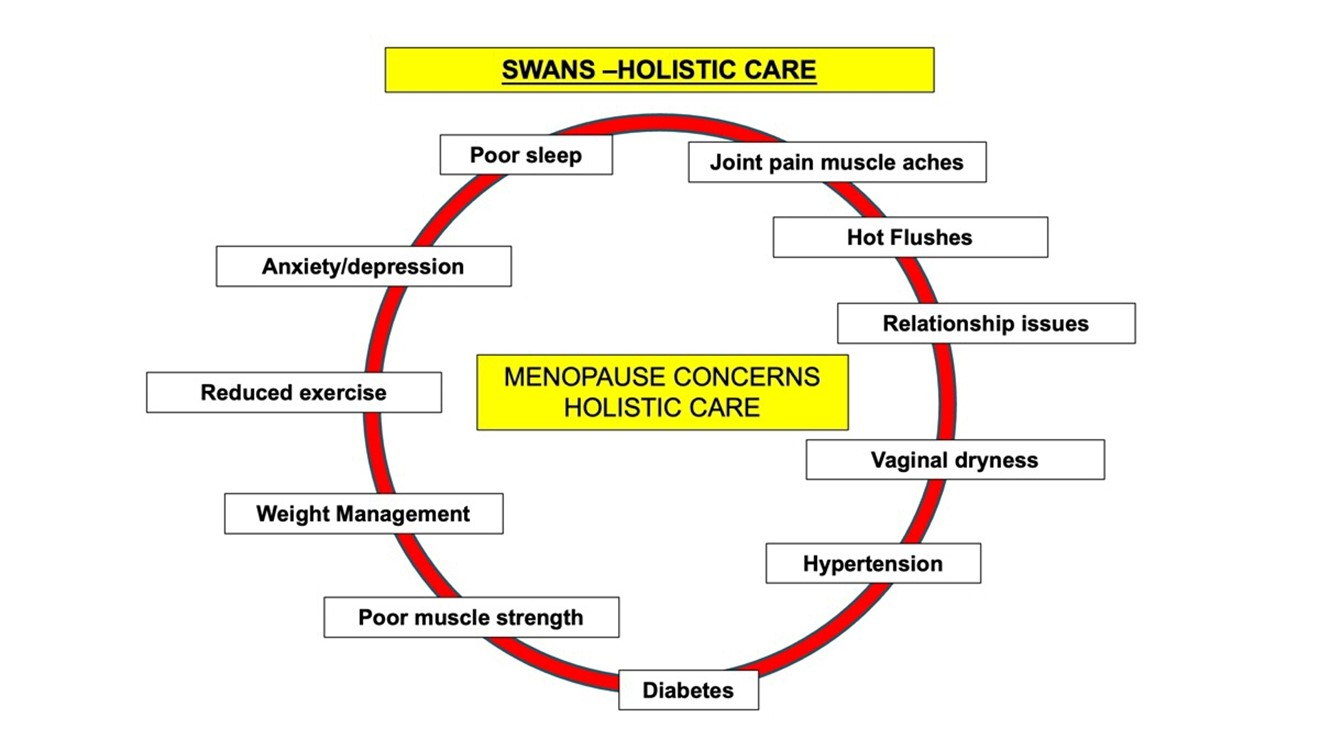
Hormonal changes during menopause can affect muscles, bones, joints, weight, and metabolism. Our multidisciplinary team ensures these concerns are addressed holistically.
• Physiotherapists help with pelvic floor issues, joint pain, posture, strength, and exercise for bone health.
• Dietitians offer nutrition guidance for weight management, cardiovascular health, optimising metabolic levels and assisting with bone health management.
4. Do I have to take hormone therapy?
No. Hormone therapy is one of several treatment options. At the SWANS Clinic, we practise shared decision making. Your care team will:
• Discuss benefits and risks
• Explore non-pharmacological management
• Consider your medical history, lifestyle and goals
Our aim is to help you make an informed choice that feels right for you.
5. Is menopausal hormone therapy safe?
For many women, menopausal hormone therapy is safe and effective when it is:
• Appropriately prescribed
• Individualised to your needs
• Regularly reviewed
Your doctors will assess your health history, address any concerns, and discuss suitability during your consultation.
6. How long will I be followed up for?Follow up is tailored to your needs. Some women attend for short term symptom management, while others choose ongoing care for long term health and preventive support.