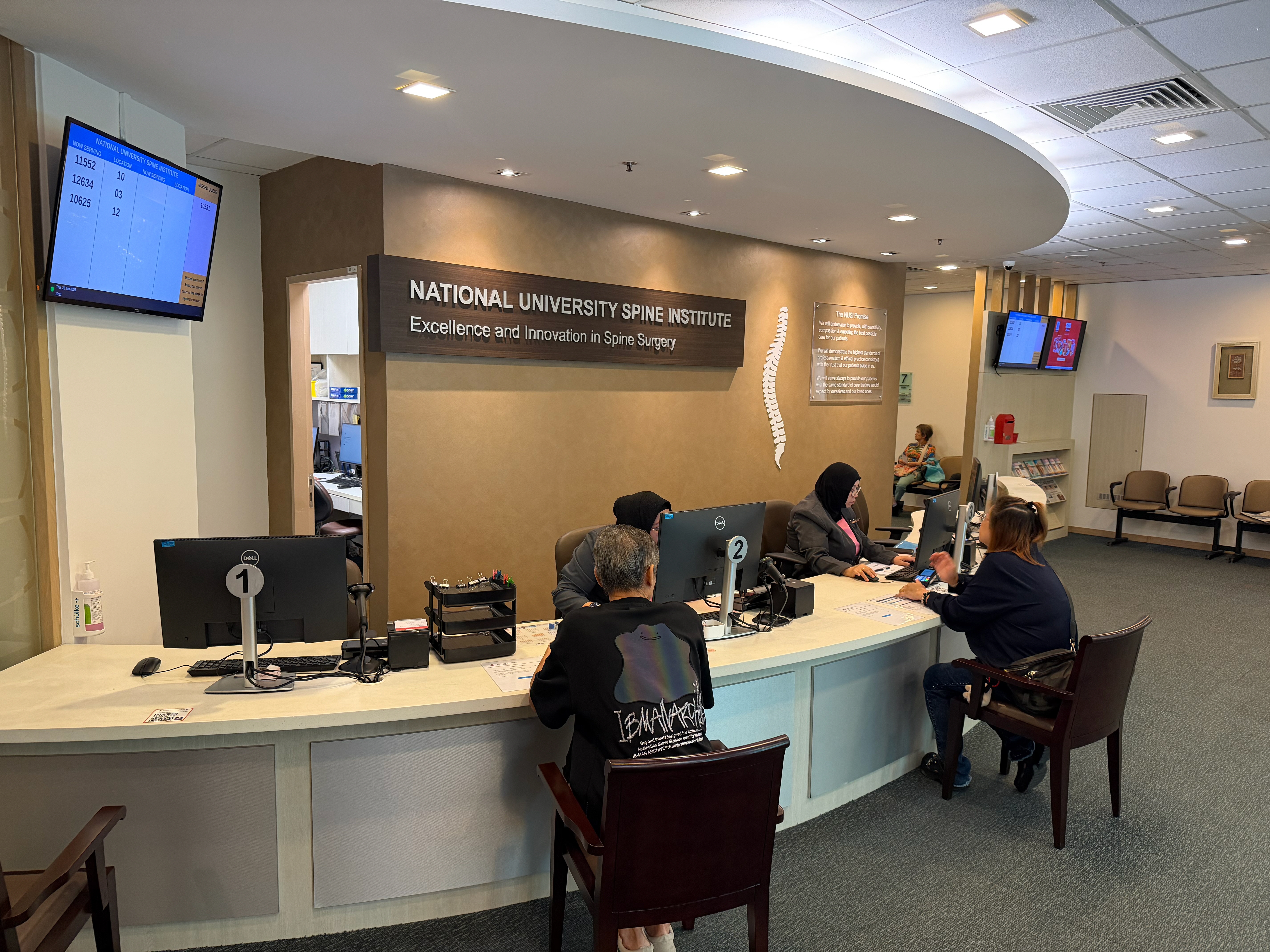
In 2008, the University Spine Centre was established in Kent Ridge Wing in NUH. This Centre brought together surgeons, care coordinators, radiologist and physiotherapists to provide patient-centric and seamless care, driven by well-defined clinical pathway protocols.
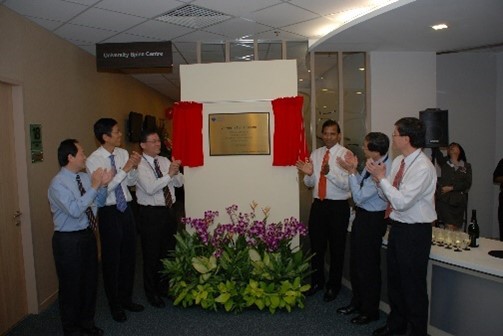
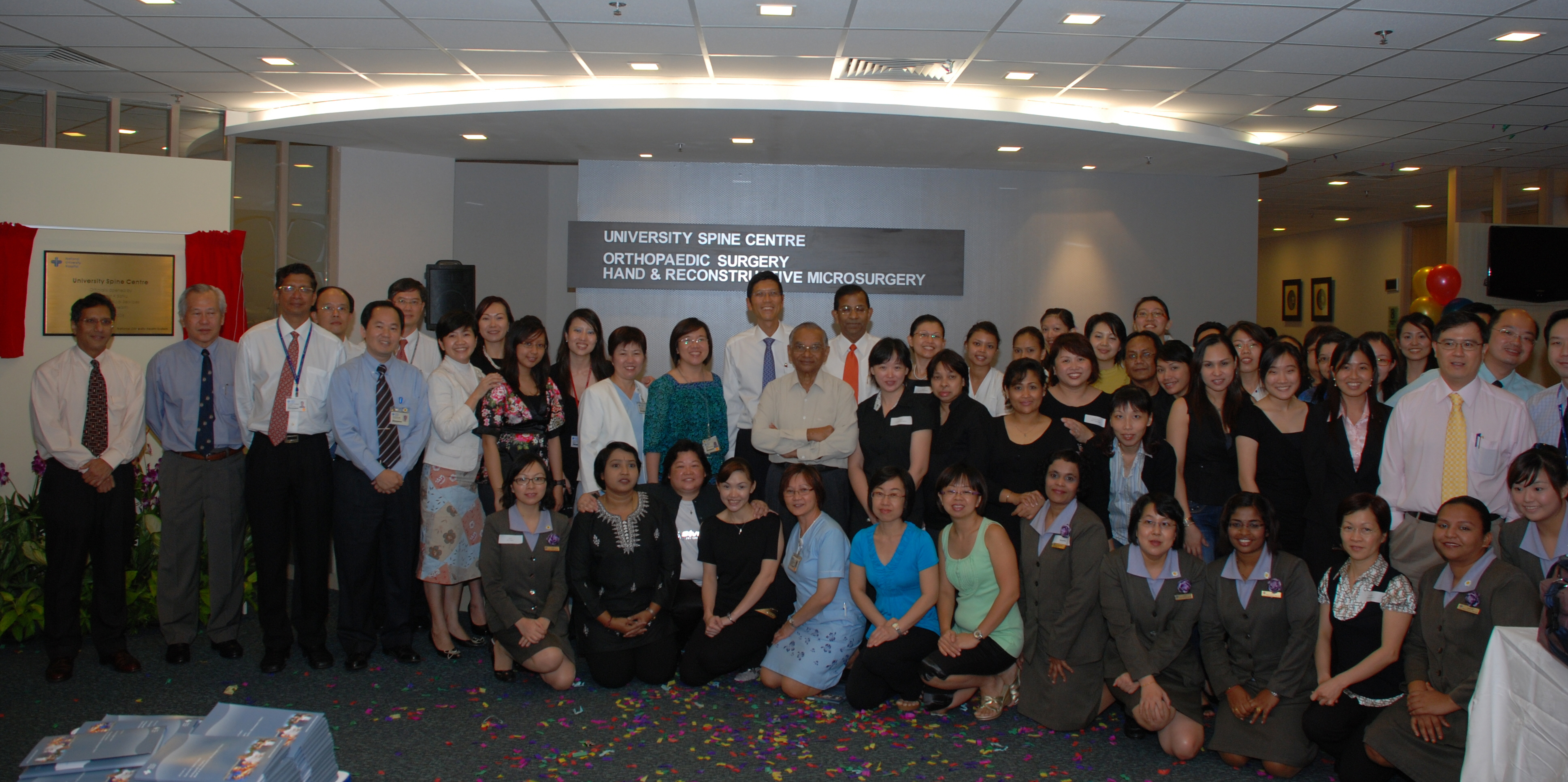
The opening of the University Spine Centre on 17 June 2008
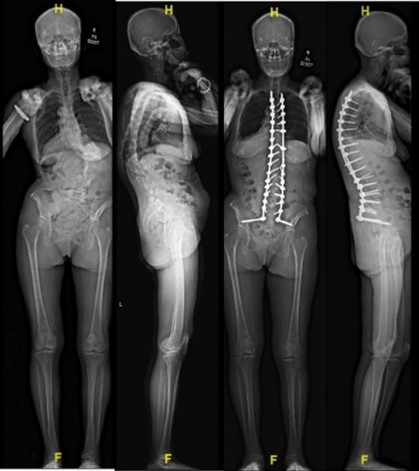
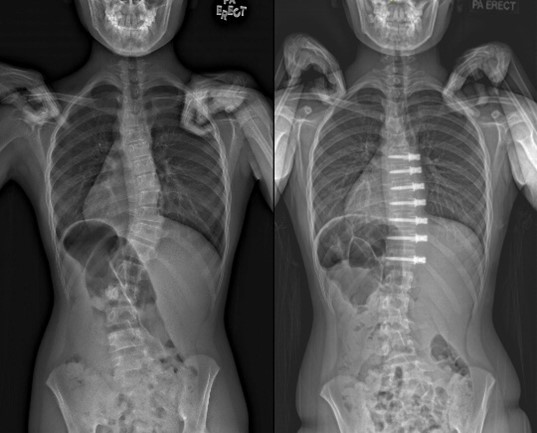
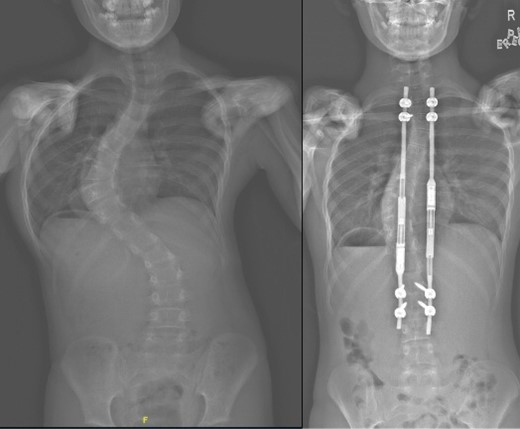
The Centre also acquired the first EOS scanner in Singapore. This unique radio-imaging system, based on Nobel prize-winning technology, allowed for whole body scanning using low dose X-rays and has become essential in the assessment of spinal deformities in adults and children.
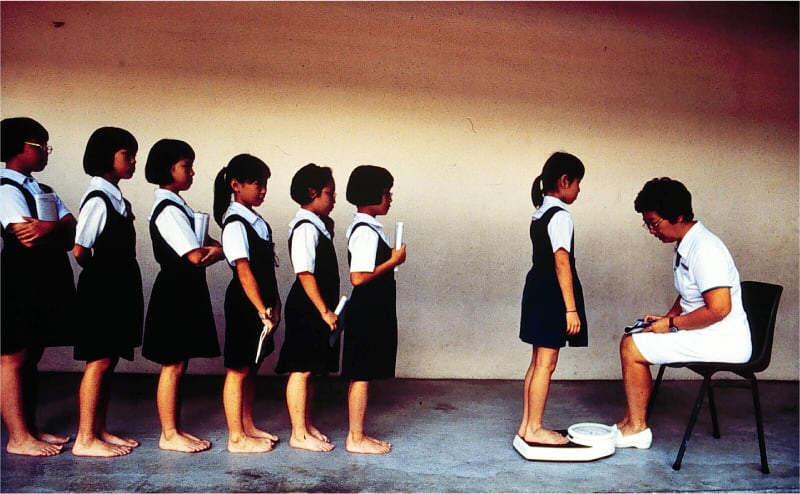
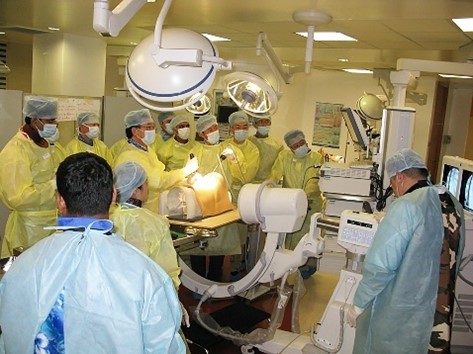
The Centre is also a recognised regional base for hands-on surgical training in thoracoscopic spinal surgery, spinal deformity surgery, cervical spine surgery, vertebroplasty as well as artificial disc replacement. The first of these instructional courses was conducted in 1990. In coordination with the National Scoliosis Screening Programme, the Spine Centre provides thoracoscopic, non-fusion (spinal tether) and conventional options for the surgical management of scoliosis. It was the first in the nation to perform artificial disc replacements of the spine in 2002. It has also sought to stay at the forefront of new and emerging techniques including endoscopic and minimally invasive spine surgery. In 2016, the Centre performed the first robot-assisted spine surgery in Singapore.
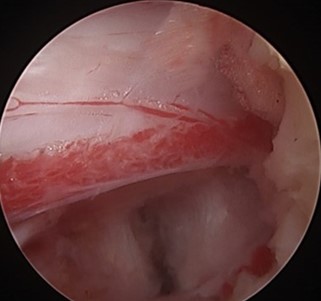
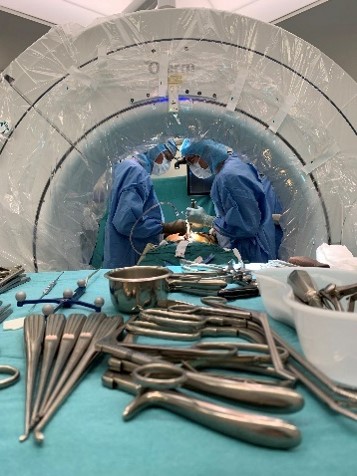
Amongst other achievements, the Spine group introduced interval halo-gravity traction for the treatment of very severe scoliosis curves, the use of O-arm navigated surgery employing paediatric radiation doses, the use of 3D printing in planning for complex spine curvature correction, the use of microdose EOS X-rays for scoliosis assessment, the intra operative use of spinal cord ultrasound post decompression to assess the adequacy of neural decompression and the introduction of endoscopic spine surgery.