Stroke is a common neurological condition and the leading cause of disability among adults in Singapore. Achieving optimal outcomes depends not only having the right facilities and skilled staff, but also on a multidisciplinary approach for its management. The dedicated multidisciplinary team at NUH includes neurologists, interventional neuroradiologists, emergency physicians, anaesthetists, radiologist, nurses, neurosurgeons, rehabilitation physicians, physiotherapists, occupational therapists, speech therapists, medical social workers, pharmacists, care coordinators, case managers, and stroke nurse educators.
At the core of the stroke team are neurologists dedicated to stroke care. The team manages more than a thousand ischemic stroke patients each year. Working seamlessly with interventional neuroradiologists, emergency physicians, radiologist and nurses, they introduced HASTEN (HyperAcute STroke & ENdovascular Team), the Thrombolytic Therapy Programme, and Endovascular treatment, to give acute ischemic stroke patients the best chance of receiving reperfusion therapy. The team leader pioneered Early Supported Discharge (ESD) in 2007 which extends care and rehabilitation into the community.
The Stroke team ensures the application of best evidence-based medicine to achieve optimum outcomes. Figures 1 and 2 below shows the improvement in stroke outcome from 2014 onwards.
Chart 1: Average Length Of Stay (days)
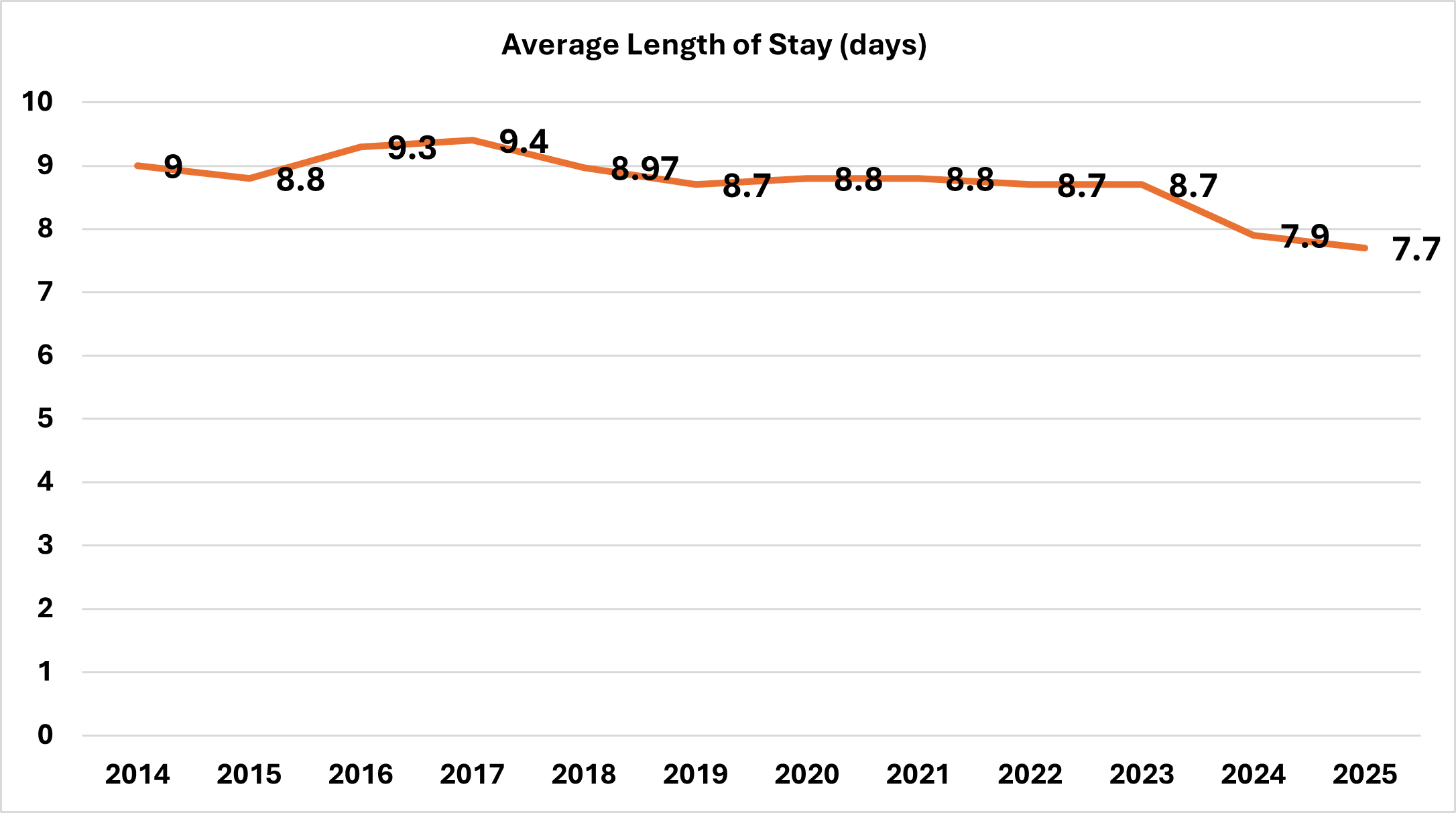
Chart 2: Readmission Rates and Mortality Rates (%)
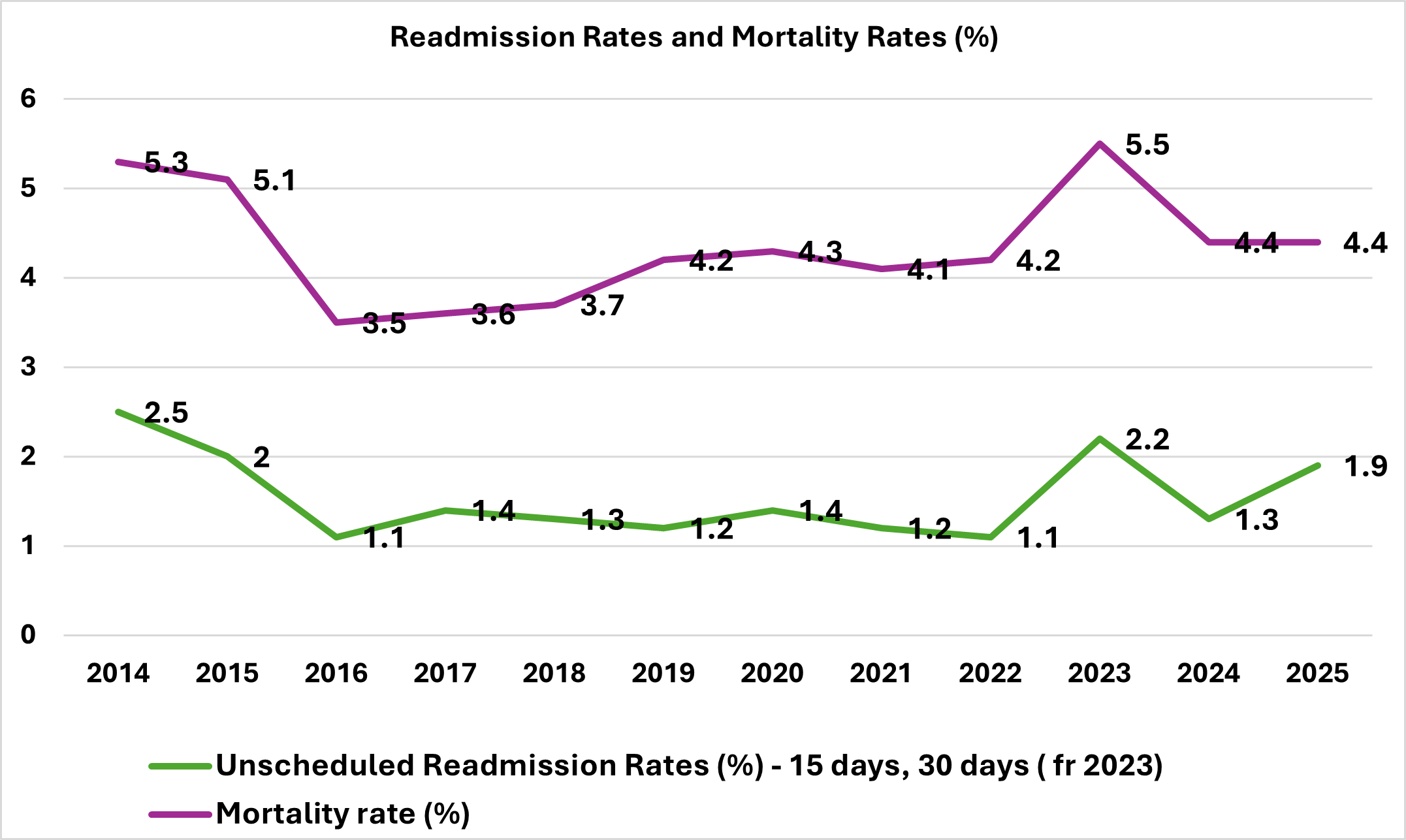
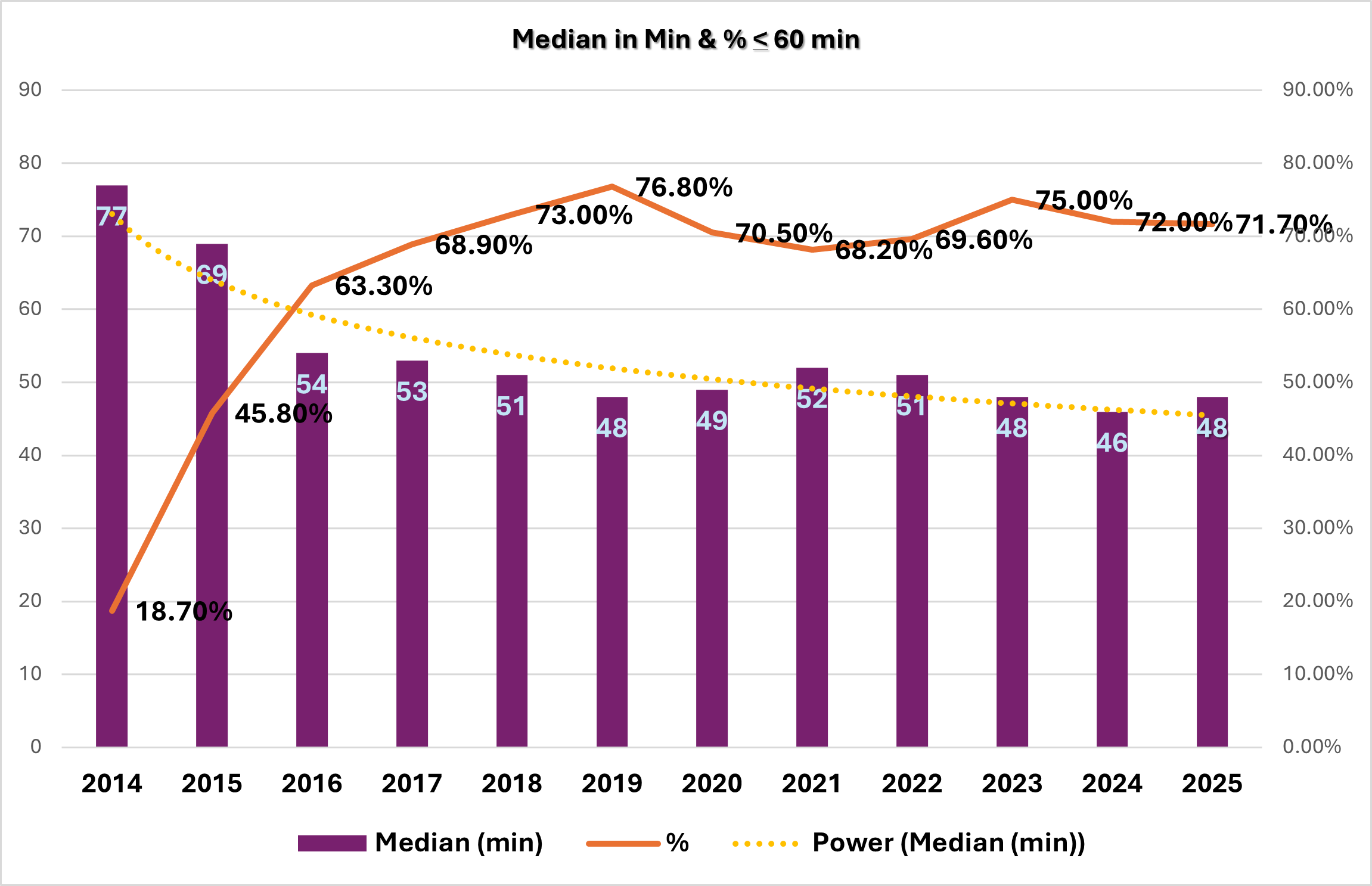
Chart 3: Thrombolysis Door to Needle Time (min)
The chart shows how quickly stroke patients receive clot busting treatment, using a key measure called “door to needle” (DTN) time—the time between a patient’s arrival in the Emergency Department and the administration of treatment. Since 2014, the median DTN time has improved from 77 minutes to approximately 48 minutes in 2025, meaning patients are now receiving treatment more quickly. Over the same period, the proportion of patients treated within the 60-minutes target has increased substantially, from 18.7% to around 72%, reflecting steady progress in delivering timely and effective stroke care.